Tipografia: prompt da video reali
Tutti i 18 prompt della categoria Tipografia pubblicati dai creator insieme ai video che Claude ne ha ricavato, dai più apprezzati. Ogni scheda mostra il video, il modello indicato dal creator e il prompt completo.
 𝕏 Prompt disponibile0:15

Return: the orange dot moves back through the halftone, graph and toggle. Match the final frame to the first so the video loops cleanly. </structure> <build> 1. One HTML file, 1920x1080 at 60fps.…
Prompt completo
.
Return: the orange dot moves back through the halftone, graph and toggle. Match the final frame to the first so the video loops cleanly.
</structure>

<build>
1. One HTML file, 1920x1080 at 60fps. Compute every visual from time inside seek(t): no CSS transitions, timers or state carried between frames.
2. Use closed-form springs for the toggle, bouncing dot and graph. Draw the graph from the same spring function that moves the dot.
3. Animate letters individually for the
 𝕏 Prompt disponibile1:02

<inputs> Ask me for: the topic (default: how peptides work), the length (default 60 seconds), whether I want captions on screen (default yes), and whether I have my own sound effects (if not,…
Prompt completo
>

<inputs>
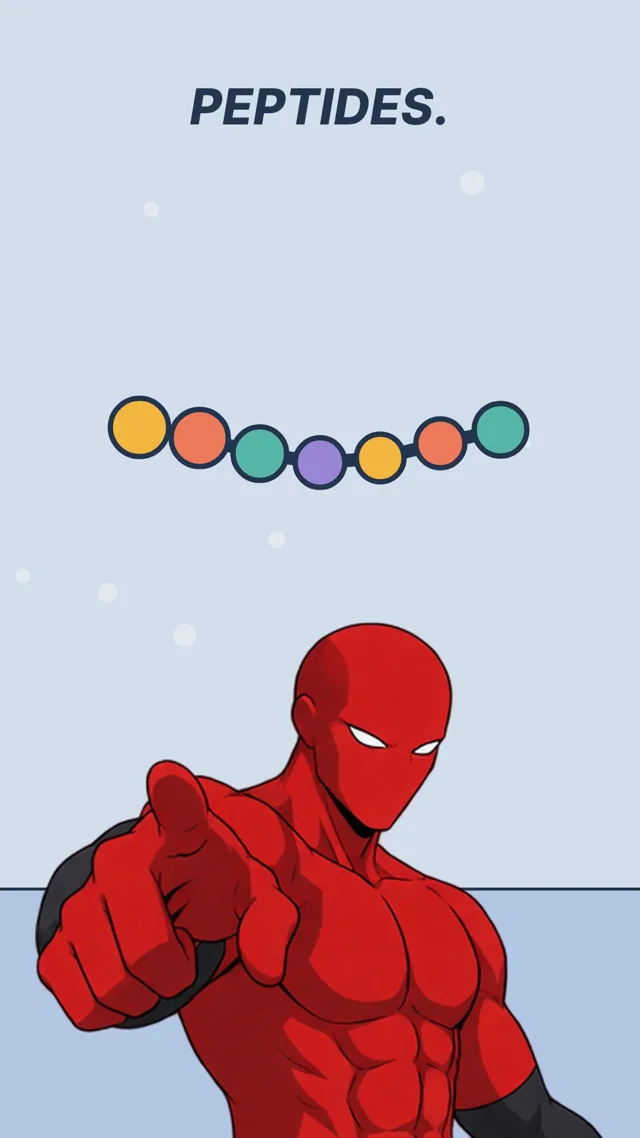
Ask me for: the topic (default: how peptides work), the length (default 60 seconds), whether I want captions on screen (default yes), and whether I have my own sound effects (if not, synthesize them in numpy). I attach the red character sheet on a black background. After I answer, write a voiceover script of about 2.4 words per second, give it to me in a code block, then stop and wait for my voiceover audio before you render anything.
</inputs>

<direction>
A flat cartoon explainer short at 1080x1920, 30fps, drawn entirely in code with Python and skia-python, piped to ffmpeg, one encoded file per scene joined with the concat demuxer. Every shape anti-aliased.
Character: cut each pose out of the attached sheet into its own transparent sprite. The background is black and so are the outlines, so flood-fill the background from the image edges only at low tolerance and keep all black inside the figure (outlines, sleeves, waistband). Keep the white eyes. Add a 3px navy #24364F stroke around each silhouette to replace the lost edge. Upscale 3x with Lanczos. Show me a contact sheet of the cut-outs on #D3DFEC before going further.
Posing: the character is a presenter anchored to the bottom edge, 800-1050px wide, never floating. Pick the pose from the line being spoken: pointing at the viewer for the hook and the final line, finger up when explaining, shrug on a question, arms crossed while watching, open palm when presenting an object, pointing at a zoom bubble. 1 to 3 pose changes per scene. Each change lands with a squash and stretch over 9 frames (8% wider, 10% shorter, then back). Idle: 0.5 degree sway and a 0.6% breathing scale.
Script: a hook question in the first 4 seconds, a title line, 4 to 5 beats that each carry one visual idea, a one-line payoff. Short sentences, plain words, every claim accurate, no medical advice.
Timing: run silencedetect on my voiceover at -35dB, 0.22s. Cut scenes in the middle of the long pauses and fire every pop, label and pose change on the word it belongs to.
Palette: backgrounds pale blue #D3DFEC, mid blue #B4C7E6, strong blue #6790CB. Outlines and text navy #24364F. Accents amber #F4B740, coral #EE7B5B, teal #58B7A8, lilac #9A86D6. Flat fills only, 5-9px navy outlines on every drawn object.
Scenes: the title card is solid #37557F with two lines of white text sliding in from opposite sides and an amber underline. At least two close-up scenes with no character. One circular zoom bubble, 320px radius, white ring with navy edges, that the character points at. The final scene is #6790CB with 14 lighter rotating rays.
Diagrams: every explainer visual is drawn in code from circles, rounded rectangles and lines: chains of beads joined by a thick navy link, cells with a dotted membrane, arrows as moving dashed lines, labels in white rounded pills with a 6px navy outline.
Captions: Inter ExtraBold Italic, all capitals, 66px, navy, centred at the top between y=200 and y=340, two lines maximum, each line rising 24px and fading in over 9 frames on its word. White with a navy stroke on the strong blue scene.
Movement: a slow push-in from 100% to 104% across every scene, 14 soft white particles drifting upward at 35% opacity, every new element popping in with an 18% overshoot, beads rippling in a wave, a 7% zoom punch on the final line.
Draw order: background, particles, floor line, diagrams, character, captions on top.
Sound: my voiceover at full level. Effects at half the voice level: a swoosh 0.12s before each cut, a whip on each pose change, a pop on each element, a click or chime on key moments, a low hit on the title card and the final line.
Before the full render: render 14 still frames at the busiest moments, look at them, fix overlaps and text leaving the frame.
Banned: gradients, drop shadows, glow, 3D, AI images or AI video, stock footage, music, emojis, watermarks, any character other than the attached one, any other channel's characters, logo or name, text smaller than 30px, a character that floats above the bottom edge, more than two caption lines.
</direction>
 𝕏 Prompt disponibile0:05

Recreate this vertical kinetic-typography motion graphic from scratch, frame-accurate, and use the supplied original audio track unchanged (do not generate, re-time, or alter any sound).
 𝕏 Prompt disponibile0:06

Build this horizontal kinetic-typography loop 100% in code (HTML canvas drawn frame by frame, encoded with ffmpeg). Generate the sound design in code too (pure synthesis, zero samples or stock music).
 𝕏 Prompt disponibile4:39

make a dynamic motion graphics music video with lyrics that shows what an incredible motion designer you are, like it's your showreel for a résumé. go all out. I included the song lyrics below the…
Prompt completo
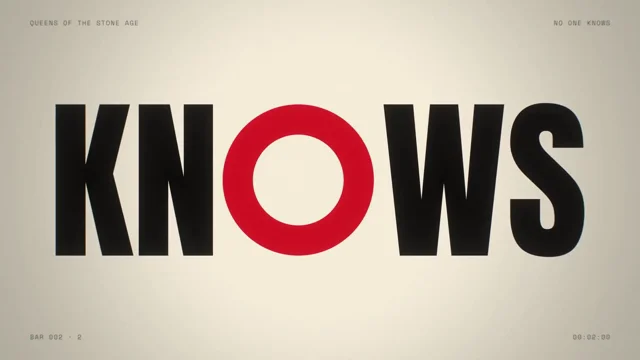
make a dynamic motion graphics music video with lyrics that shows what an incredible motion designer you are, like it's your showreel for a résumé. go all out.

I included the song lyrics below the prompt.
 𝕏 Prompt disponibile0:25

Create a 25.00-second kinetic typography film titled **“WHO PAYS FOR THE WIRES?”** Make it for someone opening an electric bill at their kitchen table. They should finish the film able to explain…
Prompt completo
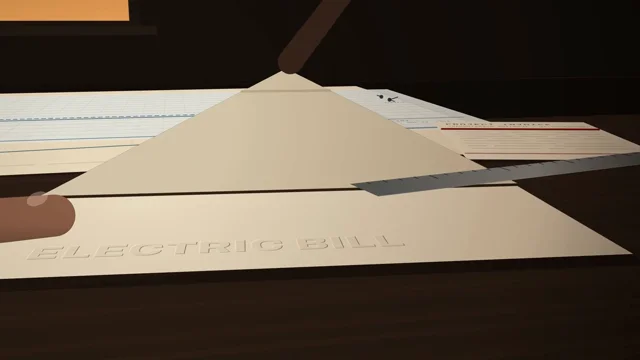
Create a 25.00-second kinetic typography film titled **“WHO PAYS FOR THE WIRES?”** Make it for someone opening an electric bill at their kitchen table. They should finish the film able to explain why a data center can cost money before it uses electricity, and who bears one specific construction risk in AEP Ohio’s service territory. Deliver one self-contained HTML file with original stereo sound, embedded artwork and type, a 1920 × 1080 capture area, and deterministic 60fps rendering. Give the film the craft of an opening title sequence and the factual precision of a reported graphic. **The shot to build first** An eraser sweeps across an architectural drawing. In twelve frames it can remove a building big enough to fill the screen. At the edge of the site, the eraser collides with a steel transmission tower that has already been erected. The pencil shaft flexes. The graphite tip breaks against the paper as the pencil falls. The steel gives one low, sustained note. Hold on the empty site and the standing tower. Let the viewer discover the question a beat before the words arrive. Everything before this shot prepares the distinction between *planned* and *built*. Everything after it follows the cost of what remains. **One world, three materials** Build a single tabletop set. An opened utility envelope, a household bill, a translucent engineering drawing, and a contract occupy different depths. Behind the table, one warm kitchen window establishes a human scale. Keep the household bill anonymous and its dollar amount outside the crop. Use graphite for proposed work. A soft mark can be drawn, smeared, or erased. Use dull galvanized steel for installed infrastructure. It casts a hard shadow and has real mass. Use dark red ink for financial obligations. It moves through the contract and invoice while the steel stays planted on the site. Set the headlines in a heavy, slightly narrow grotesque. Set the contract paraphrase in a readable book serif. The type should look like it belongs to the surface carrying it. During a fast move, one word can become architecture. During its reading hold, give the viewer its complete silhouette. **0.00–3.00 seconds · The envelope** Start in near darkness. Paper slides across wood. A kitchen light catches the embossed words **ELECTRIC BILL**. One thumb holds the envelope against the table while a finger opens the fold. Give the paper a little resistance. The sound is close enough to hear the fibers separate. From this low angle, the fold makes a roofline. Move along it until a printed rule on the bill meets a survey line on the translucent plan underneath. Follow that line into the plan. In the margin, establish **ILLUSTRATIVE PROJECT**. The site and cancellation are a hypothetical example. **3.00–7.50 seconds · Build two different futures** Reveal **PROPOSED DATA CENTER** in graphite. The crossbars of the letters extend into a floor plan. Rack aisles draw themselves in quick succession. Leave a small square gap at the far end of the building. The viewer will recognize that patch of bare paper after the erasure. In the foreground, the phrase **GRID WORK BEGINS** lands. Use the strokes of GRID as fabrication guides. Steel members lift off the guides, rotate around visible joints, and bolt into a single tower. Give the tower one distinctive asymmetrical gusset plate. A cable settles into its insulator with a short downward sag. Keep both states readable in one low tracking shot. Behind the tower, a building still made of pencil. In front, steel already casting a shadow. The score borrows its rhythm from the work. Two bolt strikes, a cable pluck, a pencil stroke. Build the bass underneath those sounds. **7.50–11.50 seconds · Cancel the project** Across the top edge of the drawing, typeset **WHAT IF THE DEVELOPER CANCELS?** Let CANCELS travel with the eraser while the rest of the question holds steady. Execute the pencil shot. Give the disappearing rack lines a dry directional smear. Let the last graphite dust settle around the tower footing. The kitchen light keeps shining through the same window. The audience should feel the peculiar ordinariness of a project that simply stops. Land **BEFORE POWER IS SWITCHED ON** beside the empty site. A small service switch, previously visible on the plan margin, stays open. Omit the server-fan crescendo the score has led us to expect. Leave the steel ringing. **11.50–15.00 seconds · Find the cost** Lock the camera for half a second. Across the vacant footprint, place **THE WIRES ARE ALREADY UP.** Then lower the camera until the tower’s diagonal brace fills the frame. Follow its shadow across the paper. The shadow meets a red invoice rule at precisely the same angle. Move from one to the other in a continuous shot. The solid tower remains visible behind us in the reflection of a metal ruler. Reveal **WHO PAYS?** Set WHO small enough to fit between the strokes of the monumental P in PAYS. Let the question mark land over the original envelope. Hold the empty space beneath it. This is where a viewer might expect to see their own name. **15.00–20.50 seconds · Read the agreement** Slide the translucent drawing aside. Beneath it is the contract that has been on the table since the opening. A red rule leads to the source label **AEP OHIO · DATA CENTER AGREEMENT**. Present the operative condition in editorial type, clearly identified as a paraphrase. Use three successive reading holds. **CUSTOMER CANCELS BEFORE POWER-UP** **DATA CENTER CUSTOMER REIMBURSES THE UTILITY** **100% OF BUILDOUT COSTS** Keep the condition and the AEP Ohio label visible when **100%** lands. Give **OF BUILDOUT COSTS** enough room to read at the same glance as the number. That wording defines exactly what the percentage covers. Build the percentage sign from objects already on the table. Two punched registration holes supply the circles. The camera slides until the tower brace aligns between them to form the slash. The viewpoint clicks into place and **100%** reads as a single piece of typography. Hold it for at least 1.4 seconds. A viewer who pauses here should get a complete, accurately qualified frame. Sound the answer with the same three notes heard during construction, now tapped on the desk with a pencil. Let the final note coincide with the registration of the percent sign. **20.50–25.00 seconds · Return to the kitchen** Pull back. The household bill occupies the near side of the table. Across from it, the project invoice sits on the developer’s agreement. The red obligation line ends there. Between the two documents stands the same tower, its gusset plate catching the kitchen light. The final copy belongs in the empty building footprint. **WHO PAYS FOR THE WIRES?** **IN THIS OHIO CASE, THE DATA CENTER CUSTOMER.** Hold this composition from approximately 21.7 to 24.2 seconds. Finish with the sound of the pencil stub rolling across the table and coming to rest against the tower footing. The kitchen light goes out. Reach black by 24.85 seconds. **Sound and pacing** Write the score at 144 BPM, giving 15 bars in 25 seconds. Let construction sounds push against the beat. Place the pencil break between beats so it feels like an interruption. Reserve the strongest bass resonance for the standing tower after the project disappears. A quieter, closer kitchen sound at the end should make the return to the household tangible. Generate the full score and effects as one original 48 kHz stereo buffer, exactly 1,200,000 samples per channel. Drive playback from the audio clock. Use the same cue records for the bolt landings, eraser contact, pencil break, percentage alignment, and their sounds. **Reporting and delivery** Use the cancellation provision in AEP Ohio’s Letter of Agreement as the factual basis. Its trigger in this example is customer cancellation before the target energization date. Keep the **100%** attached to the covered buildout costs. Keep household bills unquantified. Put the full source, the 2025 approval date, the November 2026 reporting context, and the separate provision for a delay exceeding 12 months in a source panel outside the film. Provide **Play with sound**, pause, replay, scrub, and WAV download outside capture. Expose `window.ready`, `window. seek(seconds)`, `window.renderFrame(n)`, and `window.cues`. Render frames 0–1499 at `n/60`. Make dust, cable sag, lighting, camera position, and type placement reconstructible from any timestamp. Review the erasure through the contract reveal first **with the sound off**. The material change alone should tell the story. Then play it with sound and check that the pencil break gets room to register before WHO PAYS enters. At half resolution, verify that the cancellation condition, responsible customer, and scope of the 100% figure can all be read. Check the opening and closing frames for the black loop boundary. Report which checks were actually executed.
 𝕏 Prompt disponibile0:20
Create a 20.00-second kinetic spoken-word film titled “BUILD THE FLOOR.” Treat this as an original miniature speech staged inside a typographic field. Every line reorganizes the field of the frame.…
Prompt completo
Create a 20.00-second kinetic spoken-word film titled “BUILD THE FLOOR.”
Treat this as an original miniature speech staged inside a typographic field. Every line reorganizes the field of the frame. The final declaration must stand on a field that finally lies flat.
Deliver one self-contained HTML file, 1080×1080, targeting 60fps, using SVG and/or Canvas. Embed all required assets.
ART DIRECTION
Background #102820. Letterforms # F4E9D5. Field lines and filings # F2B544. A magnetic-monument world: streamlines, flux, stillness at the null. Typography stays crisp; particles are atmosphere only. High-contrast serif for the speech, heavy grotesque for load-bearing words, restrained monospace for flux gauges. No horseshoe magnets, lightning, electron diagrams, or sci-fi arcs.
ORIGINAL SPEECH — EXACT WORDS, EXACT ORDER
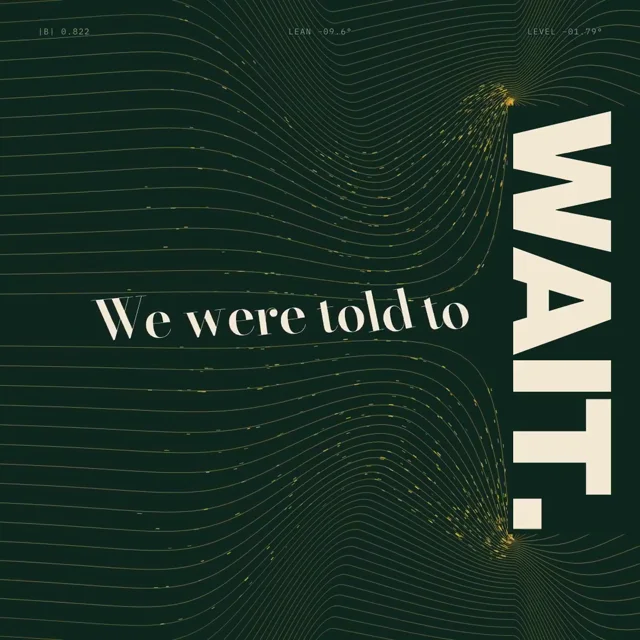
“We were told to wait.”
“So we learned the weight of waiting.”
“Then one voice made room.”
“Then another.”
“Now the floor belongs to us.”
Do not attribute these words to any real person. No extra slogans. The complete speech must be understandable without audio.
CENTRAL VISUAL RULE
Words have assigned field roles. WAIT is a repelling plate; letterforms lean away from it, kerning compressed. WAITING is field lines sagging under load while filings stream toward the low side. VOICE is one pole reversed; the field reorganizes and letters stand upright along it. ROOM is a null point, a still eye inside the field. FLOOR is the field flattened into a horizontal plane. These roles must emerge from the actual letterforms responding to the field, not from illustrations.
STORYBOARD
0.00–3.00 — “We were told to wait.” The sentence leans away from the WAIT plate; streamlines compress against it. Available space pinches on the plate side; the sentence remains readable, pressed but intact.
3.00–6.50 — “So we learned the weight of waiting.” Reveal in phrase groups. Field lines sag deeper with each phrase. Filings — deterministic, hash-seeded per id and time — drift along the streamlines toward the low side and gather. The WAITING glyph hangs tilted inside the field as a suspended load.
6.50–10.00 — “Then one voice made room.” VOICE enters; one pole reverses. The field reorganizes: old streamlines retract by dash-offset while new ones draw in. Letters rotate upright along the new field — analytic rotation of whole glyphs, never path morphing. ROOM opens as a null point, a still eye; the counter of the O in ROOM is its center, and the next composition sits calm inside it.
10.00–12.50 — “Then another.” A second pole turns. The field becomes symmetric; every letter stands vertical. The baseline levels into the first perfect horizontal in the film. Hold absolute stillness for at least 400ms — even the filings pause.
12.50–16.00 — “Now the floor belongs to us.” The field flattens into a horizontal plane. The filings settle onto its surface as hairline grain. The final sentence locks in with the field; US aligns with the strongest flux line. Emphasis through alignment and scale only.
16.00–18.00 — Hold the complete declaration. One streamline pulses gently, then stills. No new text. No decorative motion.
18.00–20.00 — The camera travels along a flux line into the WAIT plate; filings rise as an occluding curtain filling the frame. Under full occlusion, return hidden elements to initial positions. Reveal the exact opening composition.
CHOREOGRAPHY
No dance beat; the field follows phrases, pauses, and emphasis. Phrase reveals follow reading order. Streamlines are precomputed curves revealed by dash-offset; filings are pure functions of (id, t), never simulated. Critically damped settling for the flattened plane. Available still space carries the emotional progression.
 𝕏 Prompt disponibile0:20
Create a 20.00-second kinetic typography film titled “ESCAPE THE ORBIT,” based on John F. Kennedy’s Rice University address, September 12, 1962. The central experience: a sentence discovers that it…
Prompt completo
Create a 20.00-second kinetic typography film titled “ESCAPE THE ORBIT,” based on John F. Kennedy’s Rice University address, September 12, 1962.

The central experience: a sentence discovers that it can change its own trajectory.

Deliver one complete, self-contained HTML file. Composition: 1080×1080. Target: 60fps. Use Canvas, SVG, or embedded WebGL. Embed required assets and libraries. The film must work without audio.

EXACT DISPLAY TEXT
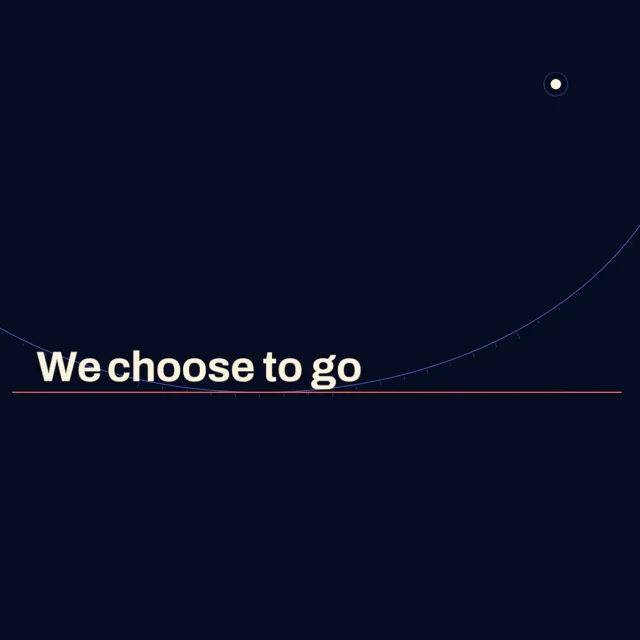
“We choose to go to the moon”
“[…]”
“not because they are easy,”
“but because they are hard”
Preserve this order. The bracketed ellipsis explicitly indicates omitted speech. Attribution is separate from the excerpt. No additional slogans.
ART DIRECTION
Background: midnight # 080D23.
Primary type: warm white # FFF4DD.
Trajectory: electric coral # FF654F.
Secondary orbital geometry: blue # 6685FF.
Use a broad, confident grotesque for the speech and a sharply drawn italic for the final emphatic word. Avoid the appearance of a spacecraft dashboard. No rockets, astronaut illustrations, starfield wallpaper, lens flares, or decorative telemetry.
The frame should resemble an exceptionally refined astronomical instrument that has become expressive.

CENTRAL VISUAL RULE
The baseline of the sentence is a trajectory.

At first it is trapped in a closed orbit. A rhetorical decision changes that orbit into an open path. The letters remain the same travelers throughout.
Use an abstract orbital metaphor; do not present invented mission data or imply a physically accurate flight simulation.
STORYBOARD
0.00–3.50
The opening excerpt appears across the center, large and horizontal. Reveal it in three meaningful phrase groups.
A single hairline ellipse passes behind the baseline. A small circular lunar mark occupies its distant focus.
Hold the completed phrase motionless for 700ms.

3.50–6.00
The camera pulls back. The previously straight baseline reveals a shallow curvature.

The phrase travels along the ellipse as a coherent unit. Keep its glyphs upright during the initial movement. Only after the reading hold may they progressively adopt the tangent of the path.

The viewer realizes the sentence is circling rather than advancing.
6.00–7.00
Show the bracketed omission in an uncluttered central opening. The orbital movement decelerates.

7.00–10.50
Reveal the next clause on the near side of the orbit. Its final word travels through one smooth, effortless arc and returns toward where it started.

This ease should feel elegant but unproductive. Avoid comic bouncing.

10.50–14.50
Reveal the final clause horizontally before transforming it.
At its emphasis, the ellipse opens at one precise point. The same tracked letter group takes the new tangent and departs.
Perform one deliberate 70-degree camera roll. Counter-rotate the active phrase so it remains readable while the orbital field changes orientation around it.

The trajectory sweeps from lower left to upper right. Acceleration is conveyed by expanding spacing between its trailing marks, not by shaking the camera.

14.50–17.00
The camera matches the departing phrase’s velocity. The phrase becomes visually still while the old orbit recedes beneath it.

The lunar mark enlarges into a restrained crescent through geometric overlap. The crescent brackets the destination without becoming a cartoon illustration.
17.00–20.00
Resolve into a spacious editorial composition containing the selected excerpt in reading order, including its omission marker.

The open trajectory runs through the margins and exits the frame. Hold the entire image completely still for the final 1.2 seconds.

CHOREOGRAPHY
Use only three camera operations: pullback, roll, velocity match.
Give each operation a rhetorical purpose.
Keep the currently read phrase at least 64px high in the 1080px composition.
Motion blur may affect trailing geometry, never the active text.
No word may begin its ornamental travel before its reading hold finishes.

IMPLEMENTATION
Represent the ellipse and departure path analytically. Blend position and tangent continuously at the departure point; no teleportation.
Use arc-length sampling for consistent spacing along curves.
Separate camera transforms from glyph orientation.
Cache glyph rendering and static geometry.
Expose window.ready and window. seek(t). Seeking must pause playback and render any time from 0 through 20 deterministically, including out-of-order calls.
Provide window.frame(n) for n=0…1199 at t=n/60.
Render t=20 as the final held composition.
Use no accumulated physics or runtime randomness.

QUALITY GATE
Inspect frames at 0, 3, 5, 7.5, 10.5, 13, 16, and 19 seconds.
Verify that the same tracked phrase visibly follows the changing trajectory.
Check the camera roll at phone size.
Inspect the departure transition for position or tangent discontinuities.
Return the complete HTML. If actual browser inspection is unavailable, state that briefly after the implementation; do not claim it was tested.
 r/ Prompt disponibile0:05

let's brainstorm ideas for ways that you can build professional high quality animations using either web tools or desktop tools on my computer. I just downloaded blender and comfy desktop as…
Prompt completo
let's brainstorm ideas for ways that you can build professional high quality animations using either web tools or desktop tools on my computer. I just downloaded blender and comfy desktop as potential options.
 𝕏 Prompt disponibile0:25
Create an extraordinary 25.00-second kinetic typography film titled: “THE NUMBER GOES UP. YOUR WORLD GETS SMALLER.” SUBJECT Inflation, purchasing power, and the crucial distinction between lower…
Prompt completo
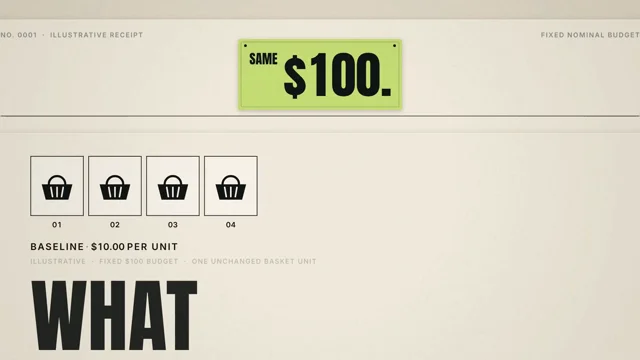
Create an extraordinary 25.00-second kinetic typography film titled: “THE NUMBER GOES UP. YOUR WORLD GETS SMALLER.” SUBJECT Inflation, purchasing power, and the crucial distinction between lower inflation and lower prices. DELIVERABLE One complete, self-contained HTML file. 1920 × 1080. 60fps. Exactly 25.00 seconds. 1500 export frames. Original synthesized stereo music and sound design. Embedded fonts and assets. No runtime network dependencies. Provide PLAY WITH SOUND, pause, replay, mute, scrubbing, WAV download, and debug access outside the captured composition. This should feel like a meticulously choreographed editorial film built from type, paper, mechanical motion, and mathematical relationships. The typography does not accompany the explanation. Its behavior IS the explanation. ━━━━━━━━━━━━━━━━━━━━━━━━━━━━━━━━━━ 1. THE CENTRAL VISUAL INVENTION ━━━━━━━━━━━━━━━━━━━━━━━━━━━━━━━━━━ Build the entire film on one continuous folded receipt. At first, we see an extreme close-up of its printed total: $100 The camera pulls back. The receipt unfolds into an architectural ribbon containing: a spending lane; a production lane; a price mechanism; a purchasing-power window; and a final comparison between price level and inflation rate. Every region is physically connected to the same paper structure. Words become: load-bearing beams; moving partitions; production gates; measurement scales; and the boundaries of what a fixed budget can buy. The receipt is a graphic metaphor. It is not a literal model of an entire economy. One object remains visually invariant: THE $100 BUDGET TAB. Its number never changes. Everything around it does. The emotional progression: CONFIDENCE → ACCELERATION → PRESSURE → RISING PRICES → SHRINKING REACH → APPARENT RELIEF → THE FINAL REVEAL The reveal: The inflation-rate indicator falls. The price-level mechanism keeps rising. The audience sees the distinction before the words explain it. ━━━━━━━━━━━━━━━━━━━━━━━━━━━━━━━━━━ 2. ART DIRECTION ━━━━━━━━━━━━━━━━━━━━━━━━━━━━━━━━━━ PALETTE Ink: #111513 Receipt ivory: # F1EBDD Demand orange: # F36B38 Supply blue: # 537F93 Budget green: # C6DB75 Measurement grey: # 8D938A Use ivory as the principal field. Reserve dark ink fields for: the purchasing-power reversal; the final statement; and closure. Color always encodes a role. Do not swap those roles for decoration. TYPOGRAPHY Primary: An extremely heavy condensed grotesque with strong counters. Secondary: A clear medium-weight sans serif. Numbers: Tabular numerals with distinct decimal points. Use: monumental words; small fitted connectives; thin rules; large numerical relationships; precise alignment. Hero words may fill 75–95% of the frame width. Read them first. Crop them later. No horizontal stretching to force a fit. Use font size, real font widths, tracking, and composition. MATERIAL Paper should have: subtle fiber; small edge shadows; restrained folds; slight printed-ink irregularity. Keep text edges sharp. Avoid: floating dashboard cards; stock-market candlesticks; spinning coins; money raining from the sky; generic financial skylines; random equations; constant glitch; neon HUD graphics. The visual identity is editorial and mechanical. ━━━━━━━━━━━━━━━━━━━━━━━━━━━━━━━━━━ 3. THE ECONOMIC CONTRACT ━━━━━━━━━━━━━━━━━━━━━━━━━━━━━━━━━━ Present two possible sources of inflationary pressure: Demand growing faster than available capacity. Supply disruptions or rising production costs. These are illustrative mechanisms, not an exhaustive theory. Show them as separate labeled demonstrations before bringing their visual paths together. Do not imply: all inflation comes from one cause; more spending always causes inflation; production can never expand; every price rises equally; every household has the same experience; money is literally destroyed when purchasing power declines; lower inflation automatically means falling prices. The fixed budget represents a household whose nominal spending budget has not increased. Do not generalize this to every household. Use a small readable label during the numerical demonstration: ILLUSTRATIVE · FIXED $100 BUDGET EXACT NUMERICAL EXAMPLE Use one unchanged standardized basket unit. Baseline: Price per basket unit = $10.00. Price index = 100. A $100 budget buys 10 units. Year 1: Price per basket unit = $12.50. Price index = 125. Annual inflation = 25%. A $100 budget buys 8 units. Year 2: Price per basket unit = $13.00. Price index = 130. Annual inflation = 4%. The 4% calculation uses the Year 1 price: 13.00 / 12.50 − 1 = 0.04. Do not calculate it from the baseline. These are invented teaching values, not observations or forecasts. During Year 2, do not show eight complete basket units as affordable. Either use a continuous affordability measure or stop displaying unit counts. Keep basket composition and quality constant. One item’s price does not establish economy-wide inflation. The basket stands for a simplified fixed bundle of goods and services. ━━━━━━━━━━━━━━━━━━━━━━━━━━━━━━━━━━ 4. MASTER RHYTHM ━━━━━━━━━━━━━━━━━━━━━━━━━━━━━━━━━━ Tempo: 144 BPM. Meter: 4/4. 15 bars. 60 beats. 25 seconds. One beat = 25 frames. One bar = 100 frames. Use this as the shared timing grid for picture and sound. Main sections: Frames 0–100: The unchanged number. Frames 100–200: What it buys. Frames 200–400: Demand pressure. Frames 400–600: Supply pressure. Frames 600–800: The price and purchasing-power reversal. Frames 800–1000: Inflation slows. Frames 1000–1200: Prices still rise. Frames 1200–1400: The final distinction. Frames 1400–1500: Closure. Fast motion belongs between reading holds. Do not make every word an impact. Contrast: gliding; ratcheting; crowding; hinging; clamping; and absolute stillness. ━━━━━━━━━━━━━━━━━━━━━━━━━━━━━━━━━━ 5. STORYBOARD ━━━━━━━━━━━━━━━━━━━━━━━━━━━━━━━━━━ 0.000–1.667 FRAMES 0–100 THE NUMBER THAT DOES NOT CHANGE Begin on an ivory field. A thin printed line draws across the screen. $100 lands at monumental scale. The decimal-free number should feel certain and immovable. A small word fits beside it: SAME Complete composition: SAME $100. One sharp mechanical strike. Then a tiny paper tension sound. The camera pulls back enough to reveal that the number sits on a green budget tab attached to a folded receipt. The tab stays rigid. The paper begins to unfold beneath it. No random flutter. Its fold angles are authored and deterministic. ────────────────────────────────── 1.667–3.333 FRAMES 100–200 WHAT IT BUYS The receipt opens into ten adjacent compartments. Each contains the same compact basket-unit symbol. Label: BASELINE · $10.00 PER UNIT A bracket spans all ten compartments. The $100 tab aligns with that bracket. Main copy: WHAT CAN IT BUY? BUY lands last. Its baseline extends into a route that the camera will follow. The ten compartments settle into a clean rhythm. One understated click per paired compartment. Make the initial quantity unmistakable. This is the reference the audience will remember. ────────────────────────────────── 3.333–6.667 FRAMES 200–400 DEMAND PRESSURE The camera runs along BUY’s baseline and reaches the first folded region. Large copy: DEMAND OUTRUNS CAPACITY. Small label: ONE POSSIBLE PRESSURE DEMAND enters through several staggered lanes. Use a finite procession of orange order slips. They represent purchase intentions, not currency creation. At first: the production lane responds; its gates cycle faster; output increases slightly. Then: available capacity becomes the constraint; additional order slips queue; the queue grows. This matters: show the possibility of output responding before showing pressure. CAPACITY forms the architectural boundary. Its letters stay rigid. The queue compresses the spaces between slips, not the glyph shapes. A pressure indicator attached to the price mechanism moves upward slightly. Do not show the final illustrative price yet. The mechanism demonstrates direction, not a calibrated forecast. Camera: a fast lateral tracking move; a short deceleration; a front-facing reading hold. Sound: alternating dry ticks; a low pulse; increasing rhythmic subdivision; a restrained rising metallic tension. The word DEMAND is energetic. CAPACITY is steady. ────────────────────────────────── 6.667–10.000 FRAMES 400–600 SUPPLY PRESSURE A fold turns through the frame, revealing the neighboring lane on the same receipt. The first demonstration remains visible as cropped architecture in the distance. Main copy: SUPPLY GETS SQUEEZED. Small label: ANOTHER POSSIBLE PRESSURE The supply lane begins with a clear open passage. Then an input gate narrows. A short label attaches to it: DISRUPTION Fewer basket symbols pass through per beat. The production rhythm loses selected clicks. Do not merely slow the whole film. The beat continues. The output pattern develops gaps. SUPPLY begins with generous tracking. Its letters move closer together until they reach their normal designed spacing. Do not crush or distort them. Two blue mechanical boundaries close around the lane. A second linkage connects to the existing price mechanism. This is a separate illustrative scenario. Do not suggest that the two shocks must always occur together. End with both scenario labels briefly visible: DEMAND PRESSURE SUPPLY PRESSURE Their linkages point toward the same next region. Camera: pivot around the paper fold; pass through real occlusion; settle beside the price mechanism. No unrelated scene replacement. ────────────────────────────────── 10.000–13.333 FRAMES 600–800 THE REVERSAL Main copy: PRICES RISE. The receipt’s price scale travels upward. Reveal: $10.00 → $12.50 Small label: BASELINE → YEAR 1 Then execute the signature move: THE COUNTERFACE TURN. The camera rotates around the thin edge of the price scale. On its front: the price level rises. On the reverse: the same fixed budget reaches fewer basket units. These are linked views of the numerical example. They are not two independent animations. Return to the original ten-compartment row. The $100 tab remains unchanged. An affordability bracket retracts from ten compartments to eight. The last two basket units remain physically present beyond the bracket. They do not vanish. They have become unaffordable within this fixed budget. Main copy: SAME MONEY. LESS REACH. Make LESS the most forceful word so far. Land it precisely as the affordability bracket stops. Show: 10 UNITS → 8 UNITS Hold the result. The audience must recognize: the same budget; the same basket units; the same original row. Sound: one ascending price ratchet; a descending tonal response; a firm bracket latch; then remove the percussion for the final half-beat. Keep only a quiet paper resonance. ────────────────────────────────── 13.333–16.667 FRAMES 800–1000 THE APPARENT RELIEF The camera follows the price linkage upward. Two instruments emerge from the same folded structure: PRICE LEVEL ANNUAL INFLATION They must have distinct labels and distinct movement. The annual-inflation indicator descends: 25% → 4% Small period labels: YEAR 1 → YEAR 2 Main copy: INFLATION SLOWS. SLOWS enters at speed, then visibly decelerates into a firm reading hold. Do not stretch the word. Do not freeze all motion. Behind it, the price-level mechanism continues moving upward, now more slowly. The audience may initially notice the falling inflation figure first. Give them a moment to believe the situation has reversed. Sound: remove subdivisions; open space between attacks; reduce harmonic density; retain one rising background tone. That surviving upward tone prepares the correction. ────────────────────────────────── 16.667–20.000 FRAMES 1000–1200 THE OTHER NUMBER A narrow paper partition folds away. It reveals the price-level instrument in full: 125 → 130 Alongside: $12.50 → $13.00 The inflation
 𝕏 Prompt disponibile0:21

Make a 20-second 16:9 motion graphics video that tells a little story with sound. For the first 12 seconds there is no sound at all: on a warm paper background, the words
 𝕏 Prompt disponibile
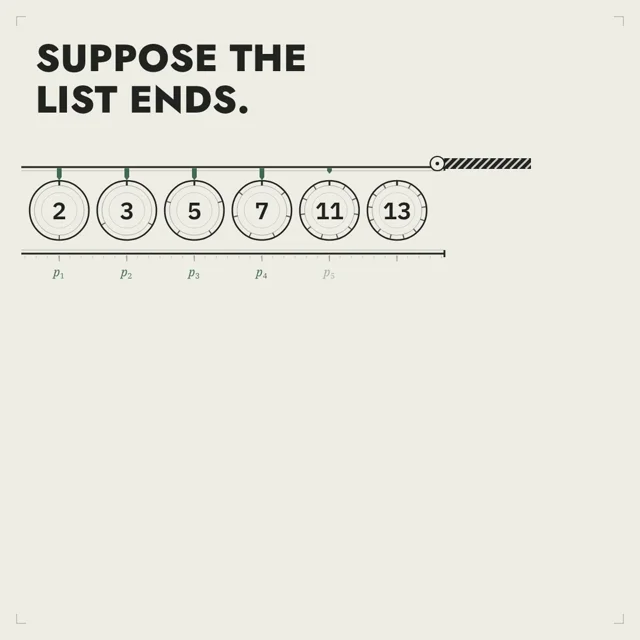
Create a kinetic mathematical proof titled “THERE IS NO LAST PRIME.” Stage Euclid’s argument as a beautiful mechanical inspection system. Typography becomes engraved number wheels, multiplication…
Prompt completo
Create a kinetic mathematical proof titled “THERE IS NO LAST PRIME.”
Stage Euclid’s argument as a beautiful mechanical inspection system. Typography becomes engraved number wheels, multiplication belts, and remainder indicators.
The mechanism must demonstrate the proof rather than decorate a narrated explanation.
DELIVERABLE
One self-contained HTML file.
1080×1080.
20.00-second loop.
Deterministic 60fps rendering.
Use SVG and/or Canvas.
No external runtime assets.
PALETTE
Porcelain # F0EEE6.
Graphite #222522.
Industrial green # 416B53.
Warning orange #

E78636.
TYPE
Tabular monospace for all calculations.
Heavy geometric grotesque for declarations.
Small technical serif for the final logical statement.
Use disciplined spacing and large, readable numerals.
LOCKED COPY
SUPPOSE THE LIST ENDS.
MULTIPLY EVERY PRIME ON IT.
ADD ONE.
EVERY LISTED PRIME LEAVES REMAINDER 1.
A PRIME FACTOR IS MISSING.
THERE IS NO LAST PRIME.
CENTRAL EXAMPLE
Assumed list:
2, 3, 5, 7, 11, 13
Product:
30030
Product plus one:
30031
Factorization:
30031 = 59 × 509
Both factors are absent from the assumed list.
IMPORTANT LOGIC
Do not claim that multiplying primes and adding one always produces a prime.
The constructed number may be composite.
Its prime factors cannot be any prime on the assumed complete list.
The numerical example illustrates the general contradiction.
STORYBOARD
0.00–3.00
SUPPOSE THE LIST ENDS.
Six engraved prime wheels lock into a finite inspection rack.
A physical end-stop closes after 13.
The end-stop makes the claim of completeness visible.
3.00–6.50
MULTIPLY EVERY PRIME ON IT.
A belt couples all six wheels.
Show a readable multiplication expression:
2 × 3 × 5 × 7 × 11 × 13 = 30030.
Use rolling numerals only during movement; settle the final value sharply.
6.50–8.50
ADD ONE.
A single orange unit enters the mechanism.
It advances the output from 30030 to 30031.
Make this one-unit change the decisive visual event.
8.50–12.50
EVERY LISTED PRIME LEAVES REMAINDER 1.
The output passes through six division gates.
Each gate is labelled with its prime.
Each produces the same visible remainder: 1.
Arrange the six completed results so the audience can compare them simultaneously.
12.50–15.50
The output opens as a labelled mechanical casing.
Inside, reveal:
59 × 509.
These factors cannot fit into the supposedly complete rack.
The end-stop is forced outward by the new factor cards.
15.50–18.00
A PRIME FACTOR IS MISSING.
Then:
THERE IS NO LAST PRIME.
Hold the general statement above the opened rack.
Include the compact general form:
N = p₁p₂…pₖ + 1.
N mod pᵢ = 1.
18.00–20.00
A fresh inspection plate slides over the mechanism.
Its engraved edge becomes the original end-stop.
Reset the hidden wheels.
Reveal the opening rack at the exact initial position.
REQUIRED MOTION
Every mechanical action must correspond to an operation in the proof.
Use linked rotation for multiplication.
Use one indexed advance for +1.
Use consistent gate motion for each remainder test.
Do not use explosions or a generic shattering effect to signal contradiction.
The rack should open through its own mechanical logic.
ENGINEERING
Expose window. seek(t).
Compute and verify all displayed integers during initialization.
Use analytical motion and time-indexed transitions.
Never increment counters based on prior frames.
Render at n/60 for n=0...1199.
Match render(0) and render(20) without exporting a duplicate endpoint.
QUALITY GATE
Verify the product, factorization, and six remainders.
Verify that the film never says 30031 is prime.
Verify the general argument remains distinguishable from the worked example.
Provide eight debug stills outside the default capture.
Return complete working HTML.
 r/ Prompt disponibile0:25

Make a 30 second motion design video of what's on your mind right now. Not what you think I want to see, whatever you're actually thinking about. Pick the style, the colours and the pacing yourself.…
Prompt completo
** Make a 30 second motion design video of what's on your mind right now. Not what you think I want to see, whatever you're actually thinking about. Pick the style, the colours and the pacing yourself. Open on the first thought and let one idea lead into the next. No voiceover, just type and motion.
 𝕏 Prompt disponibile0:25
Create a 25.00-second recursive typography film titled "FEAR ITSELF." Franklin D. Roosevelt names fear as the thing that traps you: self-referential, nameless, paralyzing, a retreat that feeds…
Prompt completo
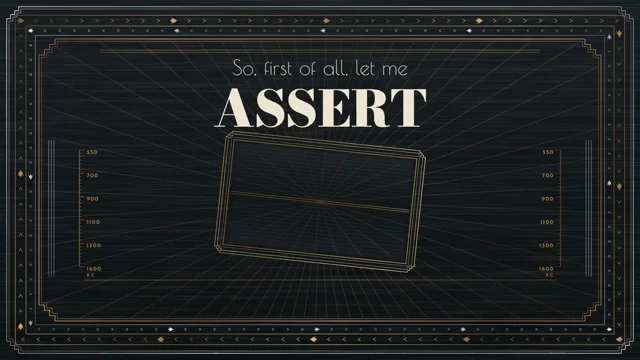
Create a 25.00-second recursive typography film titled "FEAR ITSELF." Franklin D. Roosevelt names fear as the thing that traps you: self-referential, nameless, paralyzing, a retreat that feeds itself. Visualize this literally with an infinite recursive composition (the Droste effect). - For most of the film the camera falls endlessly inward through a typographic Art Deco frame that contains itself. - On "convert retreat into advance," the direction of infinity reverses. The fall inward becomes a climb outward, and the camera breaks out of the recursion into open space for the first time. ━━━━━━━━━━━━━━━━━━━━━━━━━━━━━━━━━━ 1. DELIVERABLE ━━━━━━━━━━━━━━━━━━━━━━━━━━━━━━━━━━ One complete, self-contained HTML file. 1920 × 1080. Exactly 25.00 seconds. Deterministic at 60fps: 1500 export frames. Rendering: Canvas 2D, or WebGL2 if needed for the Droste pass. Use vector type from embedded glyph outlines so every recursion level stays crisp. Embed all fonts and dependencies. Make no network requests. Silent autoplay preview, play/pause, and a scrubber, all outside the captured frame. Return a working implementation. ━━━━━━━━━━━━━━━━━━━━━━━━━━━━━━━━━━ 2. LOCKED TEXT ━━━━━━━━━━━━━━━━━━━━━━━━━━━━━━━━━━ Use exactly these words, in this order: "So, first of all, let me assert my firm belief that the only thing we have to fear is fear itself—nameless, unreasoning, unjustified terror which paralyzes needed efforts to convert retreat into advance." Capitalization may change. No added words. Final attribution (not spoken): FRANKLIN D. ROOSEVELT FIRST INAUGURAL ADDRESS · WASHINGTON · 4 MARCH 1933 The timing is authored. Do not claim synchronization with the 1933 recording. ━━━━━━━━━━━━━━━━━━━━━━━━━━━━━━━━━━ 3. THE CORE TECHNIQUE: EXPLICIT RECURSION, NOT FEEDBACK ━━━━━━━━━━━━━━━━━━━━━━━━━━━━━━━━━━ Define one "panel": an Art Deco composition with an inner window. The inner window holds an exact copy of the panel scaled by k = 0.28, positioned at an authored anchor that is not the panel's center, so the zoom path spirals. Every frame, draw the panel recursively at depth levels 0 to 7, from the deepest level outward, using the composite transform T^n. The infinite zoom: - Camera zoom z(t) = k^(−φ(t)), with the fractional part of φ cycling. - Because the image at level n+1 equals the image at level n scaled by k, the loop is seamless. - The camera transform's fixed point is the recursion's fixed point. Compute it analytically from the anchor and k. Panel content changes over time. Each recursion level shows the panel's content at a time offset of n × Δ (Δ = 0.35 s). The deeper layers are therefore earlier in the sentence, and words visibly "fall away" into the past as the camera passes through them. Do not use any frame-feedback buffer. The recursion is redrawn from vector data every frame, so seeking is exact. ━━━━━━━━━━━━━━━━━━━━━━━━━━━━━━━━━━ 4. VISUAL IDENTITY: 1933 ART DECO, RADIO AGE ━━━━━━━━━━━━━━━━━━━━━━━━━━━━━━━━━━ Palette: - Gunmetal # 14171A - Nickel # BFC3C2 - Brass # B48A4A - Cream # EFE7D3 - One accent: signal red # B3352A, used only for FEAR and TERROR The panel frame is a stepped Art Deco proscenium of nested chevrons and sunburst rays, drawn as thin double rules in brass and nickel. It looks machined and metallic, using linear gradients. Typography (embed OFL faces): - Poiret One (thin geometric deco) for connective words - a high-contrast Didone (Bodoni Moda Black) for the stress words - a monoline geometric sans (Josefin Sans Bold, wide tracking) for labels inside the frame Texture: subtle stationary brushed-metal noise attached to panel coordinates, so it scales with each recursion level. Never apply screen-space grain. ━━━━━━━━━━━━━━━━━━━━━━━━━━━━━━━━━━ 5. STORYBOARD ━━━━━━━━━━━━━━━━━━━━━━━━━━━━━━━━━━ 0.00–0.40 Black. 0.40–3.40 "So, first of all, let me assert my firm belief" A single panel faces the viewer, stable, with no zoom yet. It is the calm before the fall. - The words appear in the panel's upper band in Poiret One. - ASSERT and FIRM BELIEF are set in Bodoni, centered and upright. - A brass sunburst behind them gently turns, 4° total. 3.40–6.20 "that the only thing we have to fear" The zoom begins: slowly at first, then steadily. The camera falls toward the inner window. "the only thing we have to" occupies the frame's lintel. FEAR (in red) sits inside the inner window, so the camera is falling toward fear. 6.20–8.60 "is fear itself—" THE RECURSION REVEALS ITSELF. - Inside the window, the panel repeats with FEAR inside it, again and again. - At "itself," the camera's fall reaches cruising speed: one full recursion level every 0.9 s. - Every level's FEAR is the same word, receding: fear made of fear. - The em dash is drawn as a long brass rule that the camera passes through. 8.60–12.40 "nameless, unreasoning, unjustified" Three typographic decays, one per word, applied to the text inside the current outermost level: - NAMELESS: the letters of every visible word lose their identity. Their glyph outlines morph (by interpolating points along normalized contours) into blank Deco nameplates: empty rounded rectangles of the same width. - UNREASONING: the panel's ruled structure bends. Straight rules warp along a smooth sine displacement, and the chevrons lose their symmetry. - UNJUSTIFIED (the typographic pun): the word appears inside a fully justified four-line text block made of the sentence so far. On landing, the block literally un-justifies: the word spacing collapses, the right edge goes ragged, and the lines fall out of alignment. The block must visibly start justified. 12.40–15.60 "terror which paralyzes" TERROR (in red) fills the inner window at the next level. On PARALYZES, the zoom stops dead within 3 frames: the infinite fall freezes. Everything locks: - the sunburst rays stop - the deeper levels stop Hold 30 frames of absolute stillness, the paralysis. Only the word PARALYZES is visible as new, with a hairline brass frame snapping around it. 15.60–18.60 "needed efforts to convert" Effort: the panel's chevron frame acts as gears. The stepped Deco borders rotate in opposing directions, in small detented ticks of 6° each, held for 4 frames, like a mechanism being cranked. - NEEDED EFFORTS sits on the lintel. - CONVERT is set as a word that rotates 180° about its horizontal axis on landing. Draw the flip as a real foreshortening of the outline (scaleY through zero) with a nickel-to-brass shading change at the back face. 18.60–21.80 "retreat into advance." THE REVERSAL. - RETREAT appears inside the window. The camera's zoom direction reverses: φ(t) decreases, so the camera rises outward through the levels, and the deeper copies now rush toward the viewer. - As the camera exits level 0, the outermost panel frame opens: its two halves part like elevator doors, the first time any panel has been incomplete. - The camera emerges into open space for the first time in the film. There is a wide horizon of fine brass sunburst rays. - ADVANCE stands alone in Bodoni Black, cream, full width. 21.80–23.80 Final composition Hold on ADVANCE. The recursion is visible behind it as a small, receding framed object, now finite and behind us. The attribution appears at the lower edge. 23.80–25.00 Closure The sunburst rays retract to the vanishing point in sequence. Black by 24.90. Frame 25.00 must equal frame 0.00. ━━━━━━━━━━━━━━━━━━━━━━━━━━━━━━━━━━ 6. MOTION RULES ━━━━━━━━━━━━━━━━━━━━━━━━━━━━━━━━━━ The zoom rate φ'(t) is authored as a smooth curve: ramp in, cruise, a hard stop at PARALYZES, crank, reverse, release. - Text inside a level is readable while that level occupies 60–100% of the frame. - Each active word reaches readability at a level-scale between 0.7 and 1.0. - Recursion depth culling: skip levels smaller than 2 px, and skip levels larger than 8× the frame. - One principal action at a time. ━━━━━━━━━━━━━━━━━━━━━━━━━━━━━━━━━━ 7. ENGINEERING ━━━━━━━━━━━━━━━━━━━━━━━━━━━━━━━━━━ Use one declarative word timeline with id, text, order index, start, landing time, readable end, recursion level, and decay type. Give "fear" ×2 and "to" ×2 separate ids. The recursion level shown for any word is a pure function of t and φ(t). Expose: - window.duration = 25 - window.fps = 60 - window.ready - window. seek(t) - window.renderFrame(n) - window.cues: [{ id, word, start, t, end }] Seeded randomness only. Seeking in any order is identical. ━━━━━━━━━━━━━━━━━━━━━━━━━━━━━━━━━━ 8. AUDIO-READY STRUCTURE ━━━━━━━━━━━━━━━━━━━━━━━━━━━━━━━━━━ φ(t) is the film's tempo. Store it as editable keyframes in JSON, so a future version can lock one recursion level to one musical bar. The paralysis then lands on a rest, and the reversal lands on the drop. ━━━━━━━━━━━━━━━━━━━━━━━━━━━━━━━━━━ 9. QUALITY GATE ━━━━━━━━━━━━━━━━━━━━━━━━━━━━━━━━━━ Check these frames: 2.00, 5.20, 7.60, 9.40, 10.60, 11.80, 13.80, 16.80, 19.60, 21.20, 23.00, 24.95. - The text order is exact. - The recursion is seamless: compare frames one level-period apart during cruise, and confirm they are geometrically identical apart from the content time offsets. - The justified block is visibly justified before it un-justifies. - The freeze is truly static: 30 identical frames. - The reversal reads as the opposite direction. - Ascending and shuffled seeks match. - 0.00 and 25.00 are black. Return the complete HTML.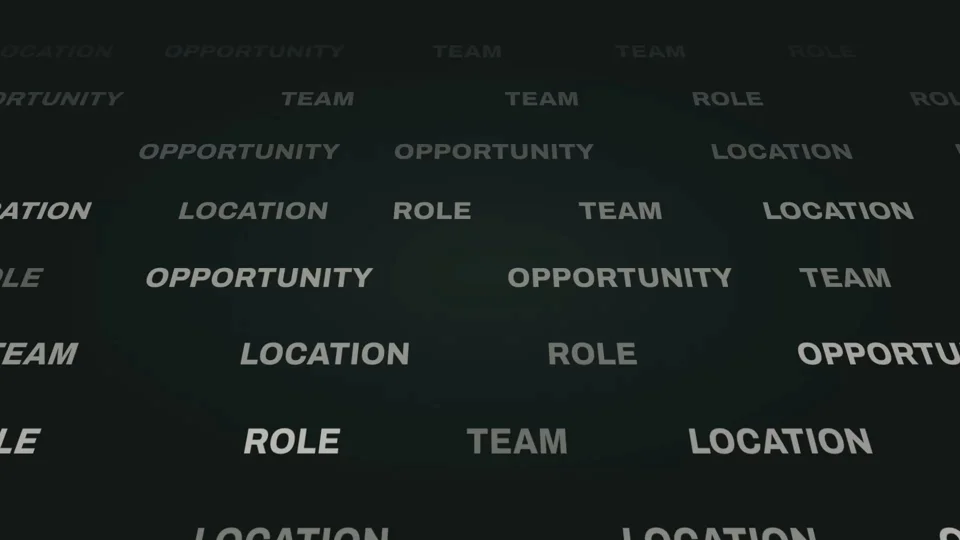 r/ Prompt disponibile0:40

Use words as the animated objects. Let the outgoing scene create the next scene, rather than fading between separate slides.
 r/ Prompt disponibile0:18
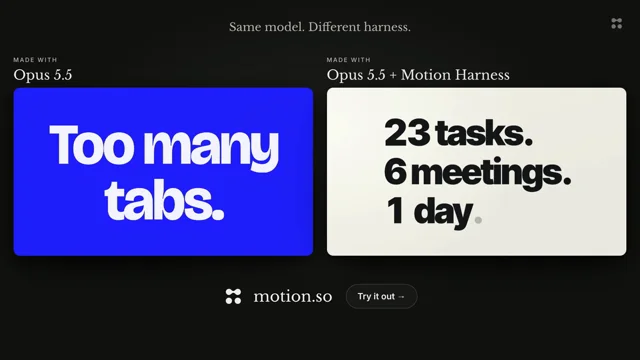
Make a 15-second launch video for an AI productivity app, using bold typography, smooth transitions, and a clean product reveal.
 𝕏 Prompt disponibile

Make a dynamic 30-second motion graphics video that shows what an incredible motion designer you are, like it's your showreel for a résumé. go all out. Make it a video to introduce Use actual…
Prompt completo
Make a dynamic 30-second motion graphics video that shows what an incredible motion designer you are, like it's your showreel for a résumé. go all out.  Make it a video to introduce   Use actual product screenshot/logo/assets Must have music and motion must match the music  Do it like a real professional production video, not like a demo or prototype. Add more animation and motion design; avoid using screenshots as raw; instead, break them down into components/icons so we can animate those too. Make the motions more juicy. Use the best motion design techniques you can.

in the repo with your app so it know the styles, it's crazy good, it makes motion design, example below:
 r/ Prompt disponibile0:45

Create a pure javascript animation. 30s-60s whimsical hand drawn collage style based on the site, on how to find cheap flights using Beat That Flight. Entire video should be as high of a production…
Prompt completo
Create a pure javascript animation. 30s-60s whimsical hand drawn collage style based on the site, on how to find cheap flights using Beat That Flight. Entire video should be as high of a production value as possible. Please spend your time on this, it's very important. Use high quality text-to-speech model for generation. You can use any tools you can find access to and resources on the internet. You create the script, the assets, the animation, concept, everything. I have to go away from my computer so please work autonomously until done. Quality is paramount. Production value should be on professional level. I've attached the logo, and remember the website is Beat That Flight, at https://www.beatthatflight.com.au