Short Film · Oct 8, 2026
i watched opus 5.5 get its own animation checked frame by frame. it got caught making an 8% mistake…
i watched opus 5.5 get its own animation checked frame by frame. it got caught making an 8% mistake… by fleyta. Watch the short film video, explore the shared…

fleyta@fleyta88
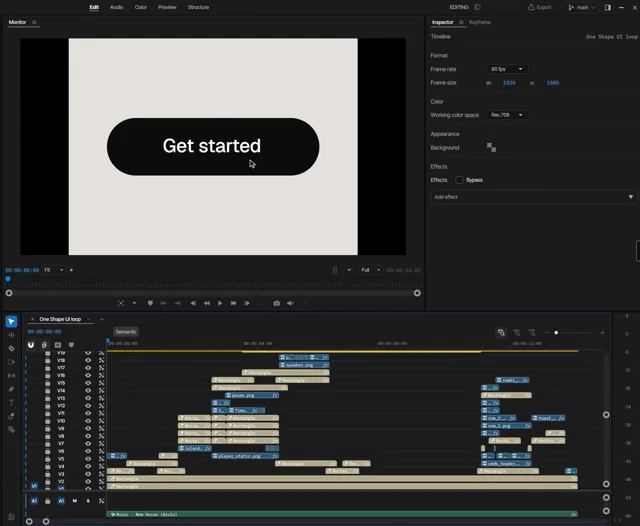
View on Xi watched opus 5.5 get its own animation checked frame by frame. it got caught making an 8% mistake that most people would never notice most ai motion demos end when something looks smooth. this one keeps going until the numbers actually match. 280ms for the cards. 220ms for the title. 160ms for metadata. a 60ms stagger between elements. not a single "make it polished" instruction anywhere. the interesting part is what happens after opus writes the animation. instead of trusting the first render, the system breaks the entire sequence into frames and checks what actually moved. the loop looks like this: → opus builds the gsap timeline from exact curves → playwright steps through the animation frame by frame → screenshots become one contact sheet → the critique catches 8% overshoot → opus patches the numbers without rewriting everything → the checker runs again until it passes think about what changed here. the model isn't being asked whether something feels good.…
The prompt behind it.
Original prompt
instruction anywhere.

the interesting part is what happens after opus writes the animation.

instead of trusting the first render, the system breaks the entire sequence into frames and checks what actually moved.

the loop looks like this:

→ opus builds the gsap timeline from exact curves
→ playwright steps through the animation frame by frame
→ screenshots become one contact sheet
→ the critique catches 8% overshoot
→ opus patches the numbers without rewriting everything
→ the checker runs again until it passes

think about what changed here.

the model isn't being asked whether something feels good. it's being asked exactly when an element started moving, where it stopped, and how far it traveled.

a 60ms difference can change the entire rhythm of an interface. one unnecessary bounce can make an otherwise clean animation feel cheap.

and the fix isn't another giant prompt telling opus to be more creative.

it's giving the model a way to prove what it built.

we've spent years teaching ai to write animation code. now we're finally giving it a clock and a way to check its own work.

the next time someone tells an ai to
Video and prompt by fleyta. Original post ↗